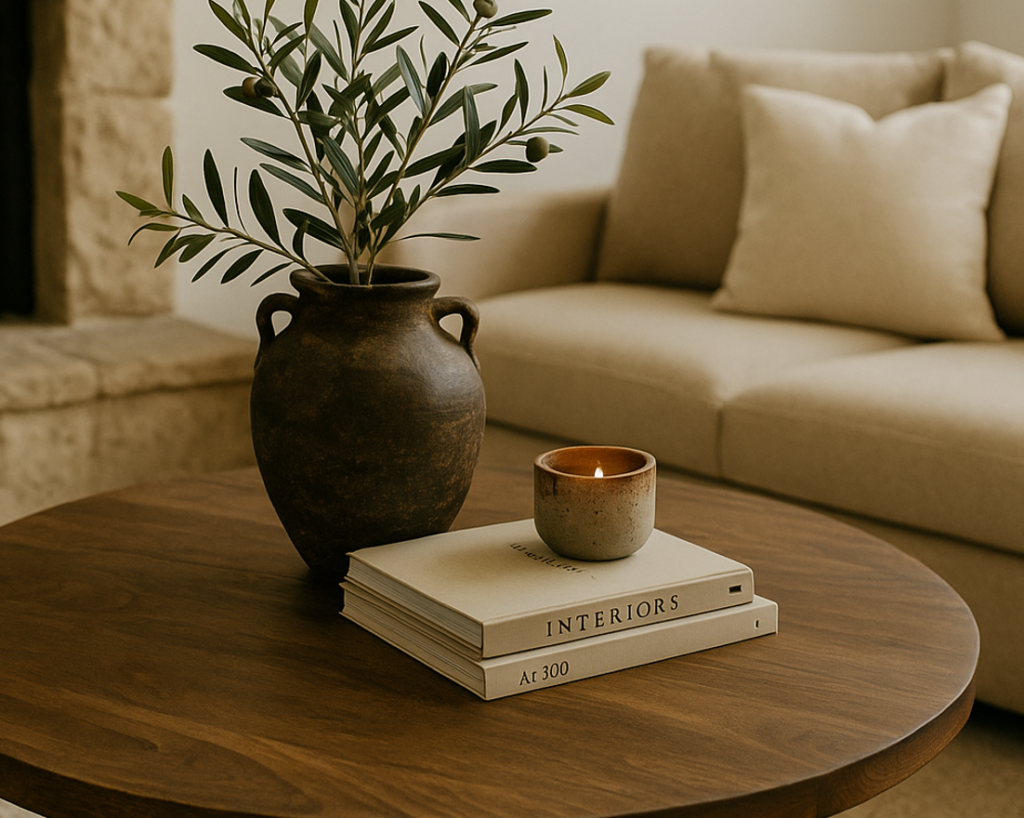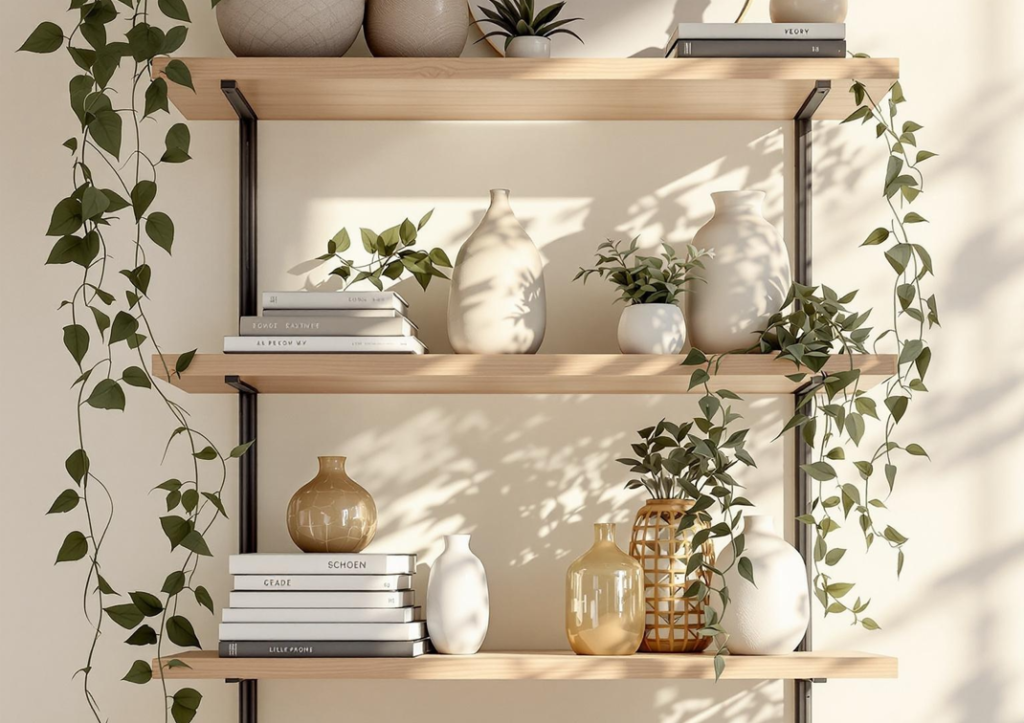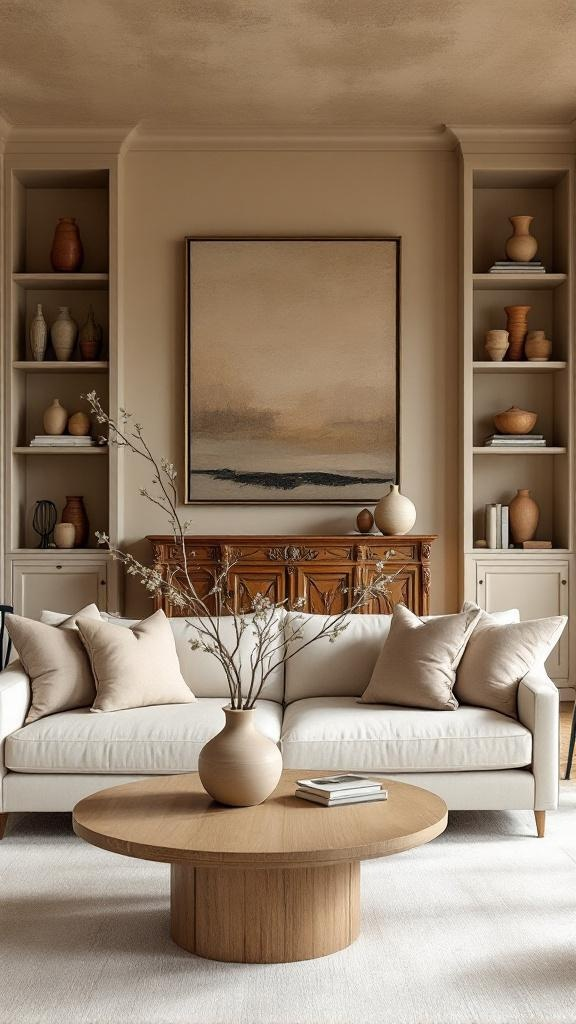
Antiques have travels through centuries of homes, cultures, and families long before they land in yours — and that’s exactly what makes them so magnetic. A piece that predates your house (or you) carries layers of stories, patina, and craftsmanship that modern furniture can’t imitate.
Many designers lean on antiques not for nostalgia, but for the quiet richness they bring to a room. One designer put it simply: “Antiques create atmosphere the moment they enter a space.”
Still, blending heirlooms, flea-market finds, and international treasures with a contemporary home takes nuance. Too many old pieces and your living room can lean “dusty shop.” Too few, and they feel like afterthoughts. We will provide you some tips on how to weave antiques into modern interiors so they feel intentional, collected, and deeply personal.
Rethink what counts as an “antique”
Most people imagine European palace furniture when they hear the word, but designers say today’s homeowners are embracing a much wider range of historic objects.
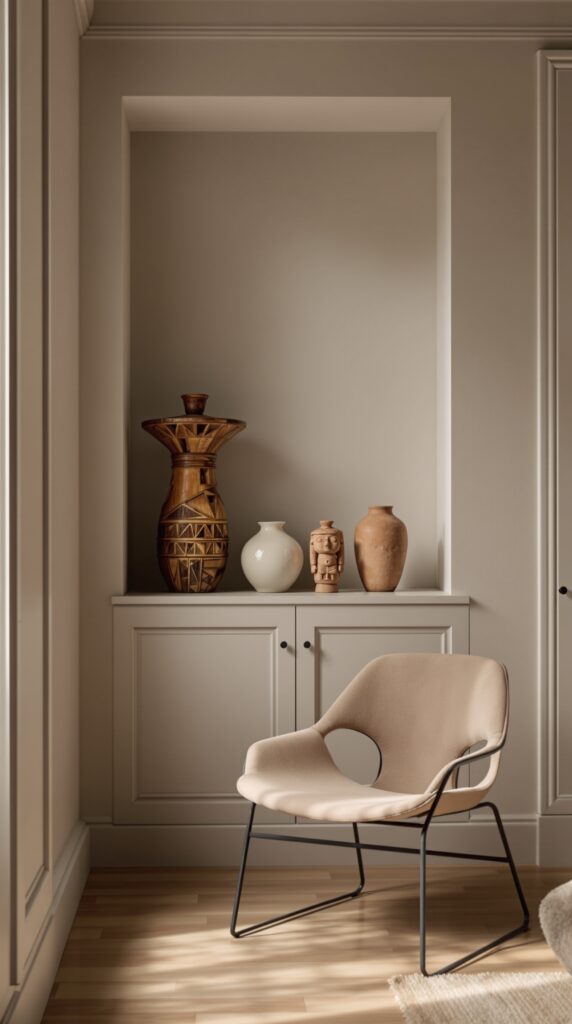
Pieces from Asia, Africa, the Middle East, and Latin America — ceramics, stools, carved vessels, metalwork — all qualify as antiques with heritage.
Broadening your perspective brings more depth and global storytelling into your home. The goal isn’t to curate one era, but to celebrate craftsmanship across cultures and centuries.
Choose objects with personal meaning
Designers often encourage clients to bring in pieces tied to their own history — a mirror that belonged to a grandparent, a rug collected during travels, a handcrafted vase from a place that still feels like home.
Even if you don’t have heirlooms, antiques can echo your experiences: a vintage Swedish chair for someone with Scandinavian roots, or an antique painting that reminds you of a city you once lived in.
When a piece has emotional grounding, it never feels like décor for décor’s sake.
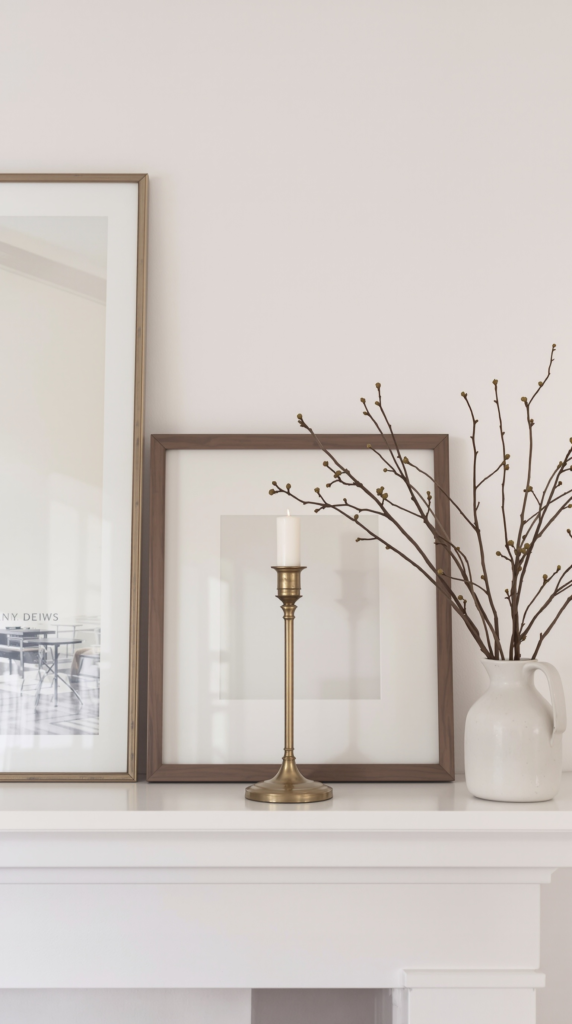
See antiques in person whenever possible
Digital marketplaces are overflowing with antiques, and many designers scroll them daily to get a sense of availability and pricing.
But when it’s time to buy, nothing replaces seeing a piece in real life. You can check proportions, feel the weight, inspect craftsmanship, and understand what might need repair.
Designers often stop at local antique fairs, estate sales, and small dealers because these places reveal unexpected treasures you can’t judge accurately through a screen.
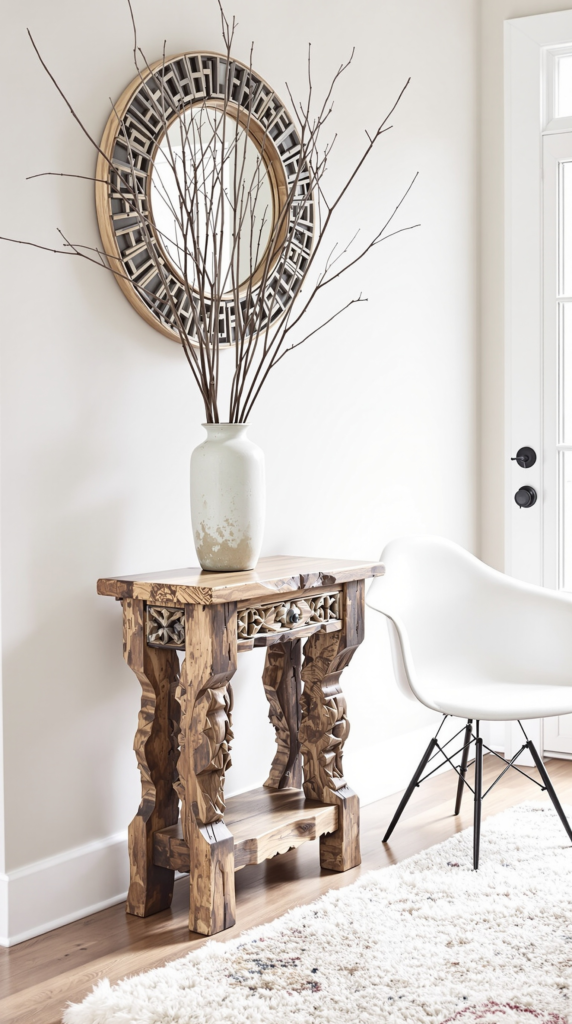
Shop with intention, not impulse
It sounds simple, but having a plan makes all the difference. Designers often carry floor plans, measurements, and photos to avoid falling in love with a piece that later proves too tall for a corner or too deep for a hallway.
If you’re shopping for seating, remember to test it — some antiques are more sculptural than comfortable. A little preparation helps you pick pieces that feel right in your space, not just right in the store.
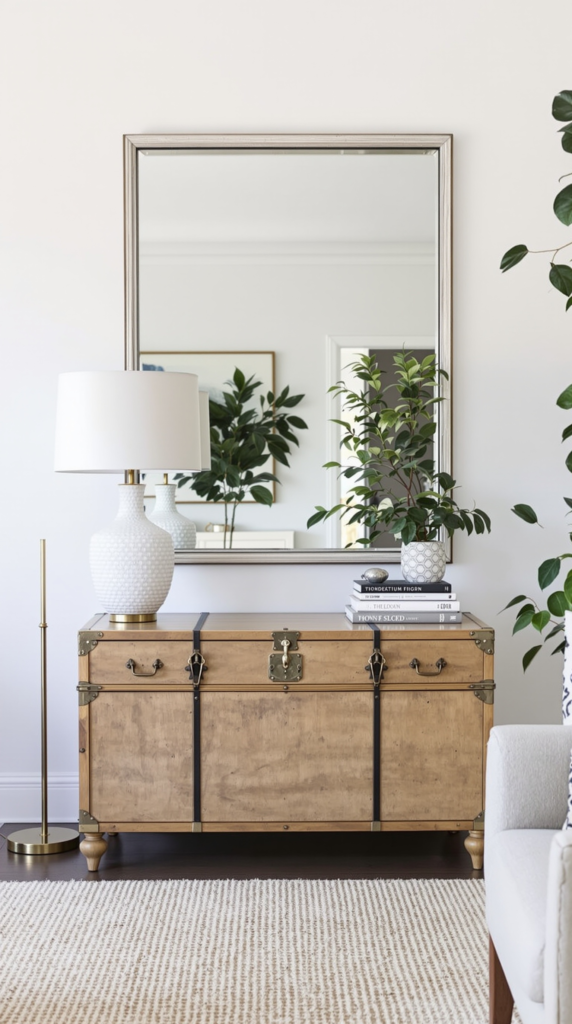
Mix old and new to keep your rooms feeling alive
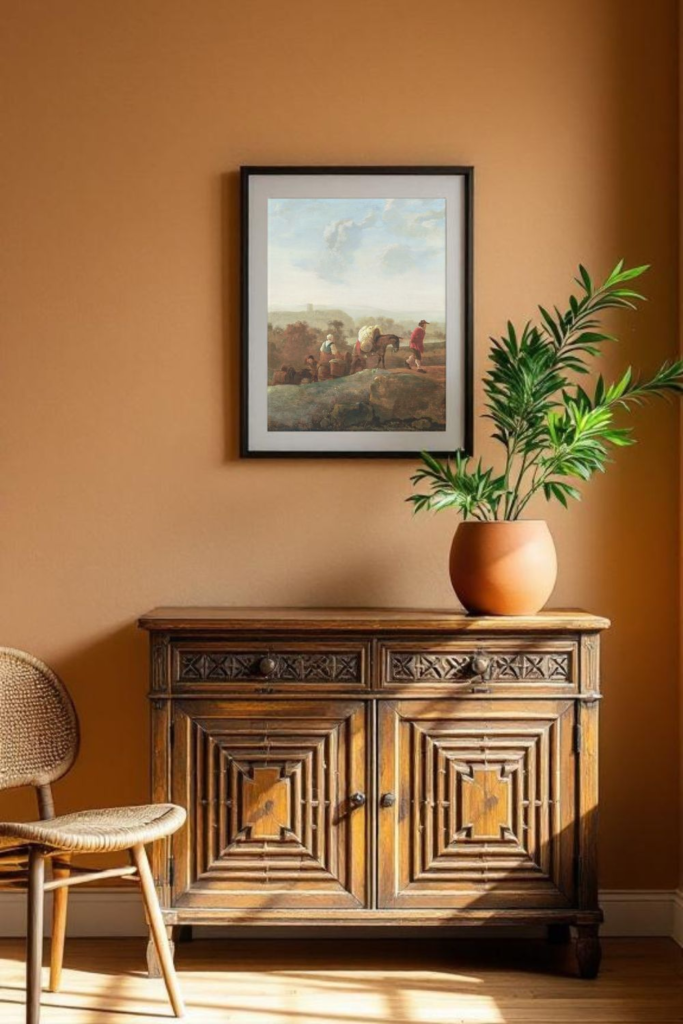
What matters most is not the age of a piece, but how it interacts with everything around it. A minimalist room can be balanced beautifully with an ornate wooden chest; a traditional parlor might feel fresher with a sculptural modern chair.
Designers love this mix because it creates a layered look that isn’t tied to any one decade. When done well, it gives rooms energy, contrast, and a collected-over-time character.
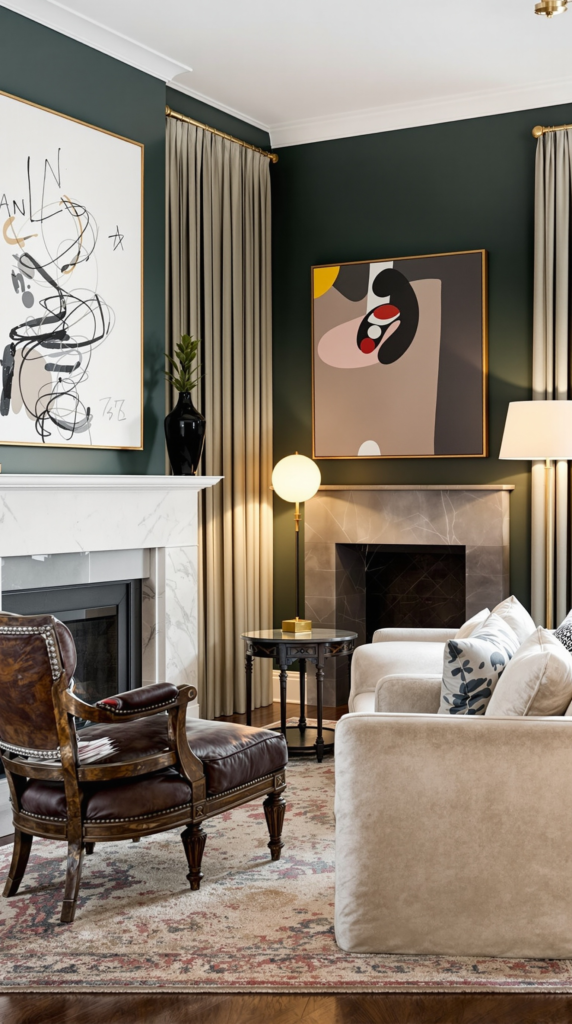
Embrace antique lighting — and rewire it if needed
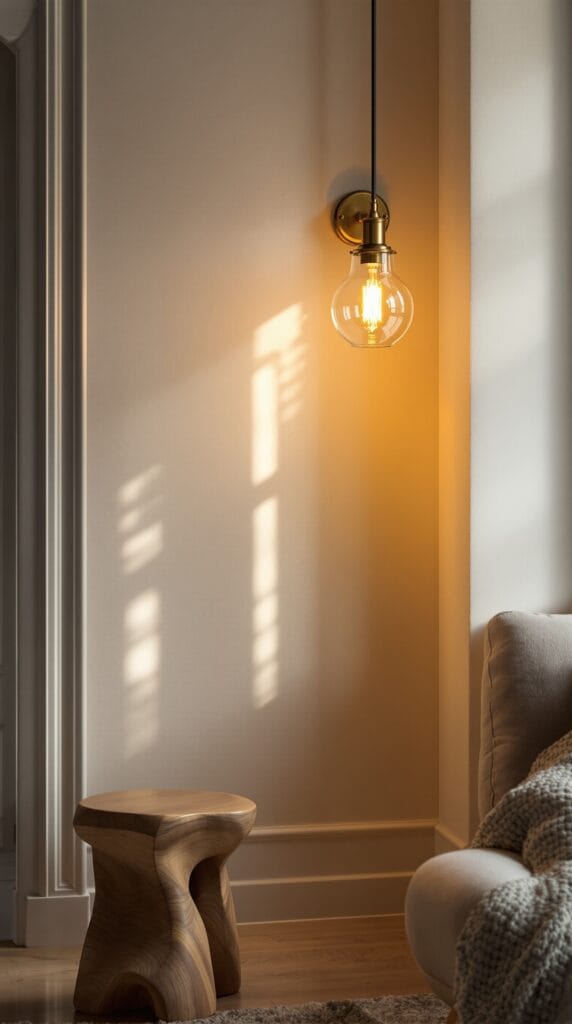
Older lighting is often overlooked, but designers insist it’s one of the most rewarding categories to explore. Art Nouveau metalwork, early 20th-century glass shades, or antique brass chandeliers all add sculptural presence.
Worried about wiring? Rewiring a lamp is straightforward and surprisingly inexpensive, and professionals can safely convert older fixtures. Once updated, antique lighting becomes a striking focal point with a story attached.
Expect to give older pieces some care
Not every antique is ready to use the day you find it. Some need fresh upholstery, tightened joints, or refinished surfaces.
Designers often collaborate with local artisans who specialize in restoration — people who understand period-specific materials, joinery, and finishes.
Their expertise can transform a worn piece into something vibrant and functional again. Consider it part of the antique’s journey: a small investment for a lifetime of beauty and personality.
Final Thoughts
Antiques don’t require a home full of crown molding or historical architecture. They thrive in modern apartments, new-build homes, and minimalist interiors because they add warmth, dimension, and humanity.
The key is thoughtful pairing: pieces with stories, placed with intention, surrounded by design that gives them room to breathe.
Rather than freezing your home in the past, antiques let your interior evolve — blending what came before with how you live now.