Japandi design has become a global favorite for a reason. It brings together the quiet restraint of Japanese aesthetics and the warm simplicity of Scandinavian living. The result is a home that feels timeless—soft lines, earthy materials, intentional styling, and a sense of calm that lingers long after you leave the room.
Japandi is not just a look; it’s a way of approaching your space with clarity and respect for the things that truly matter. These seven ideas show how to bring the style into your own rooms, using texture, light, and gentle form as the foundation of a serene, modern home.
Warm Minimalism That Feels Livable
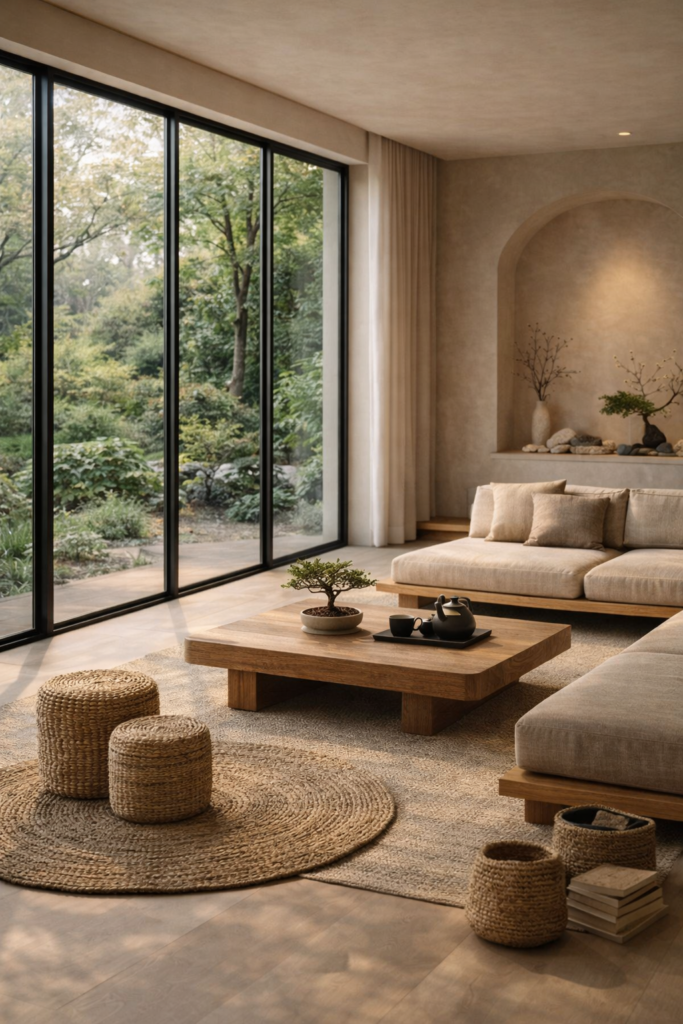
Japandi isn’t cold minimalism—it’s a warmer, softer version made for real living. Rooms are simplified, but never sterile. Think low furniture in natural woods, soft textiles, and pieces with quiet presence rather than loud personality.
Empty space is treated with the same importance as furniture, giving your home a sense of breathing room. Instead of filling every corner, Japandi encourages you to let a space rest.
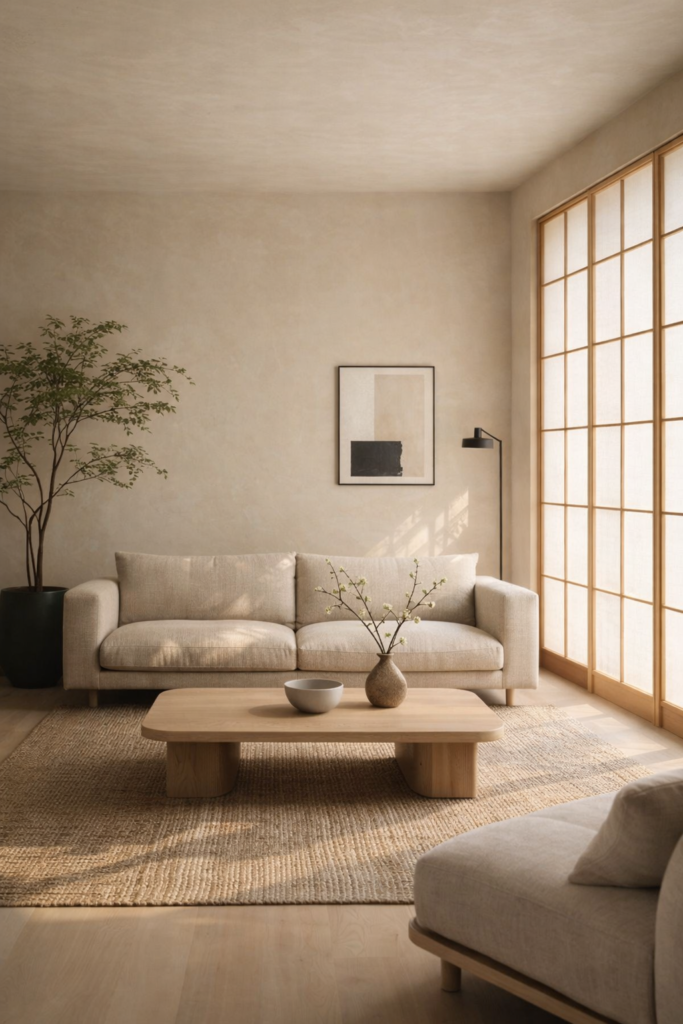
A Grounded, Earthy Color Palette
Color plays a subtle but powerful role in Japandi design. The palette leans into muted earth tones: warm greys, stone beige, soft clay, forest greens, and natural black accents.
These hues create a grounding backdrop that makes every texture stand out. Even the smallest shift—replacing bright whites with warm neutrals—can completely change the atmosphere of a room, making it feel more serene and connected to nature.
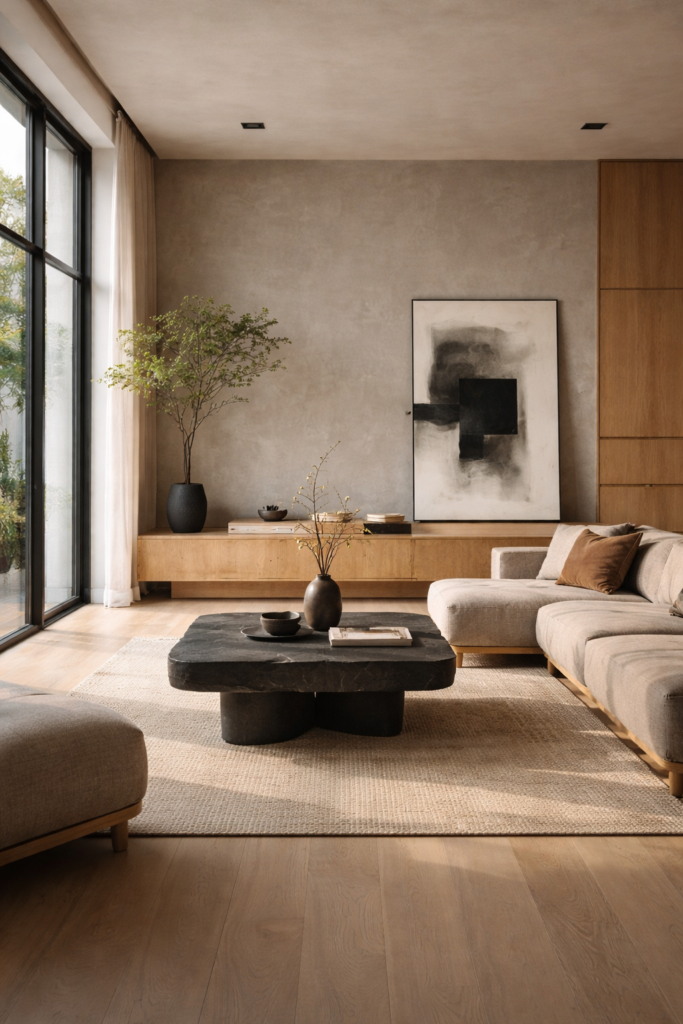
Clean Lines and Sculptural Simplicity
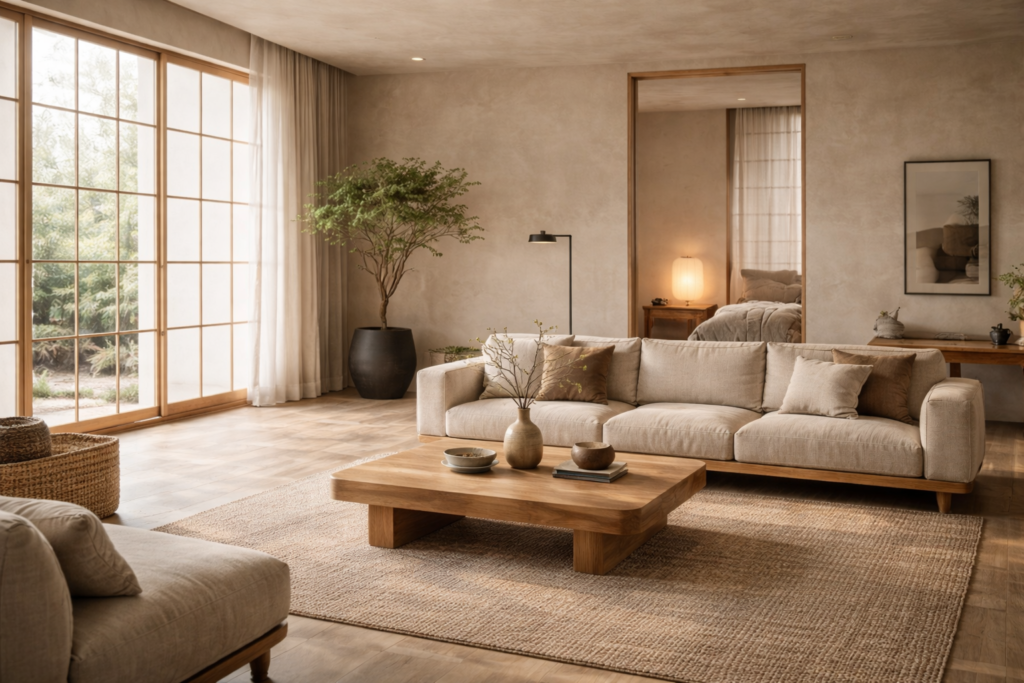
Furniture tends to have clean silhouettes, but with a sculptural twist: curved wooden chairs, rounded coffee tables, and low-profile sofas with smooth lines.
Japandi celebrates craftsmanship, especially pieces where the joinery, grain, or handwork remains visible. There’s no excess, yet nothing feels underdesigned. Every shape is purposeful, every curve intentional.
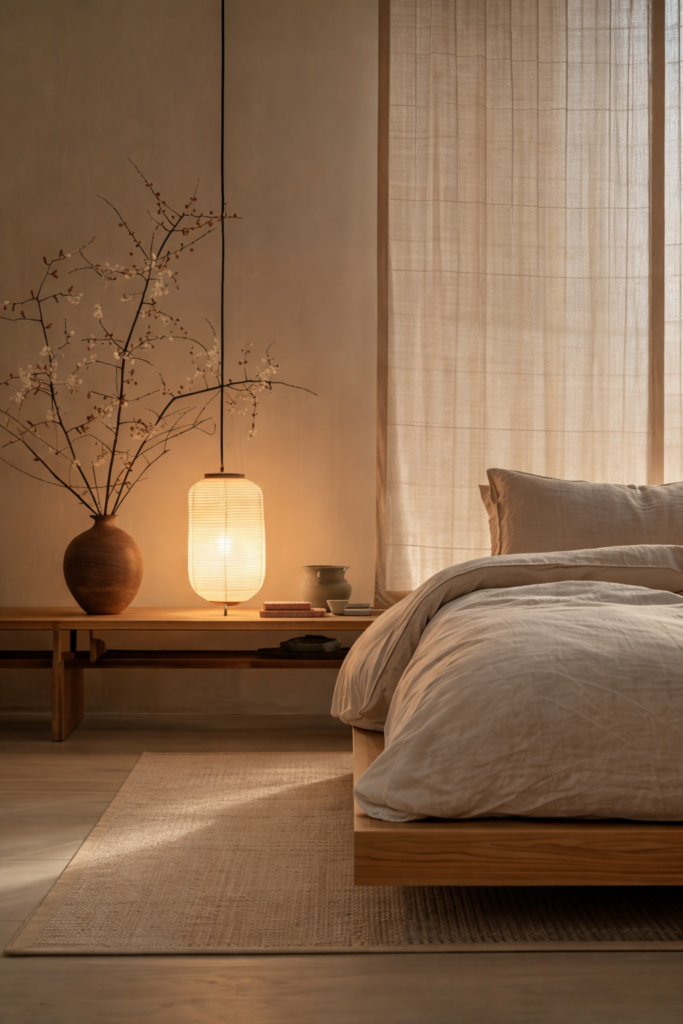
Layered Natural Textures for Soft Depth
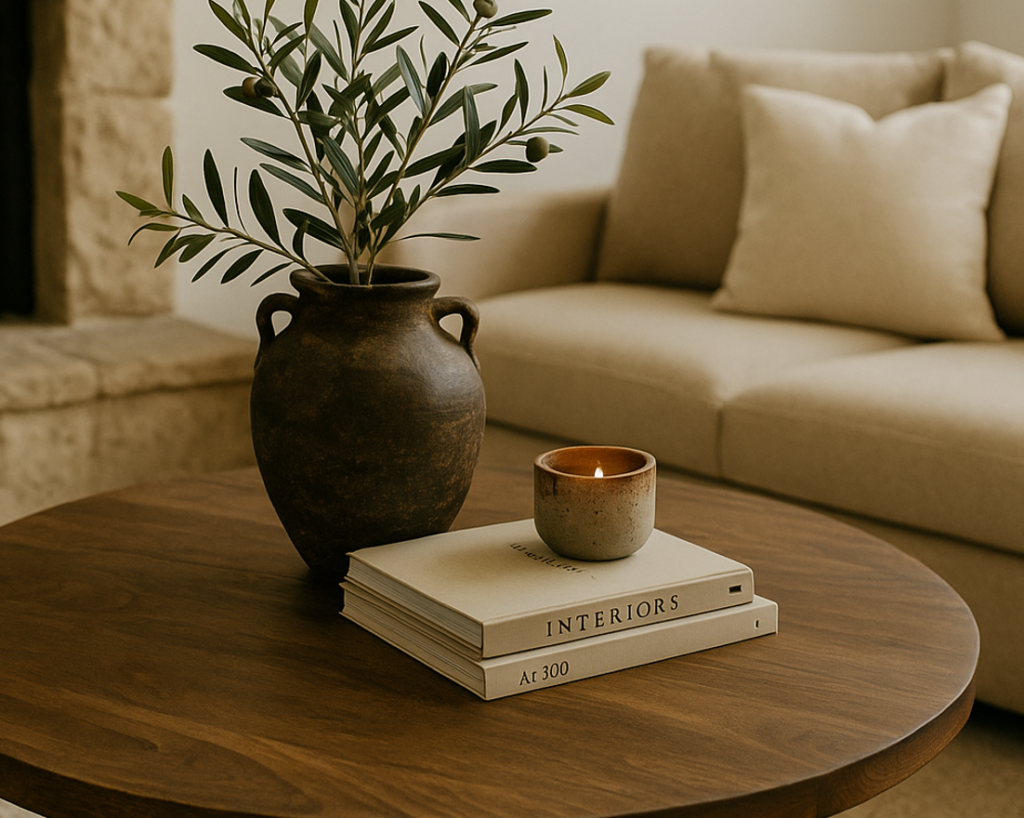
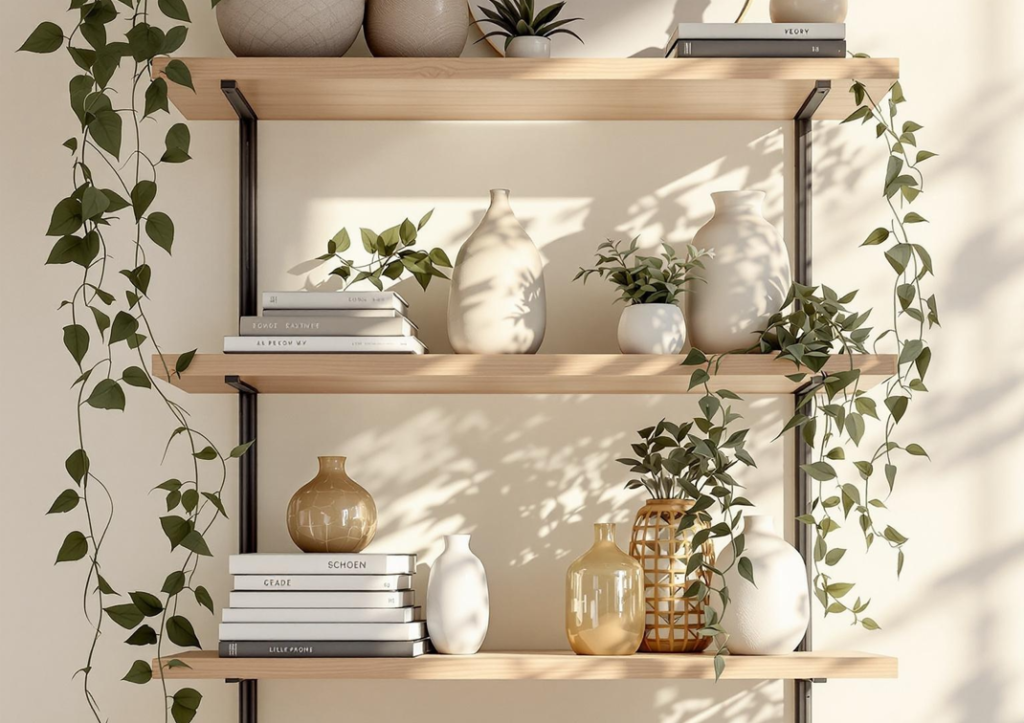
While the style looks minimal, it’s secretly all about texture. Linen drapes that move softly with air, woven rugs, nubby throws, matte ceramics, bamboo lamps, rough-sawn wood—the interplay of materials creates warmth without clutter.
Texture becomes the story. It’s what keeps Japandi interiors from feeling flat, allowing the minimalism to remain comforting instead of stark.
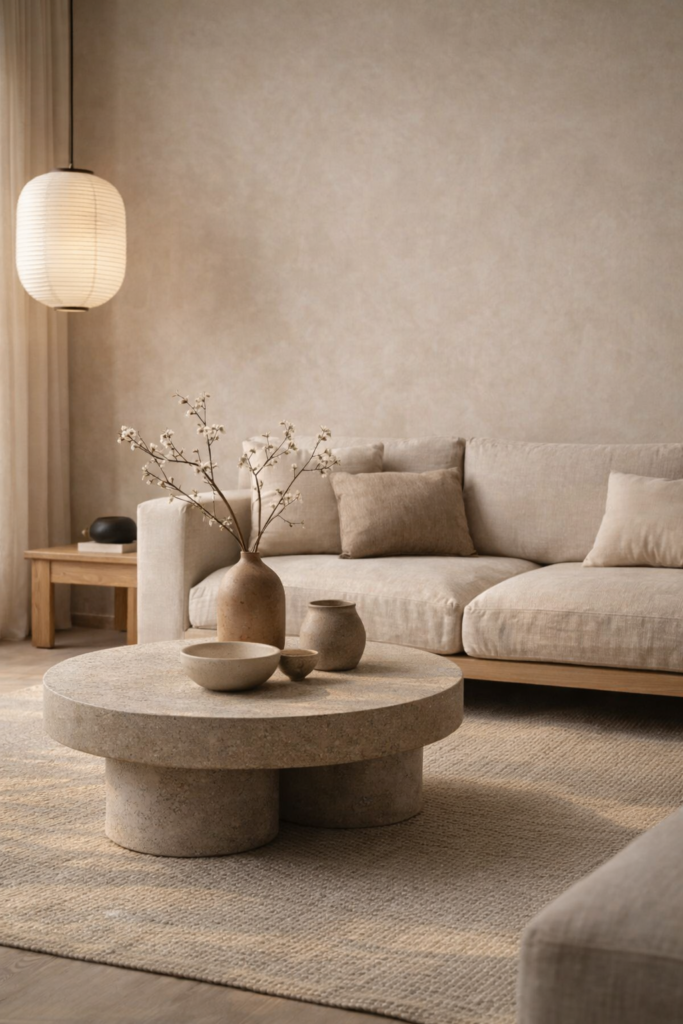
Soft Lighting That Shapes the Room
Lighting may be one of the most influential tools in Japandi spaces. Harsh light is avoided; instead, rooms rely on diffused brightness from paper lanterns, warm-toned floor lamps, simple sconces, and plenty of natural light.
The effect is incredibly calming. Even at night, the glow stays gentle, creating an atmosphere that feels almost meditative.
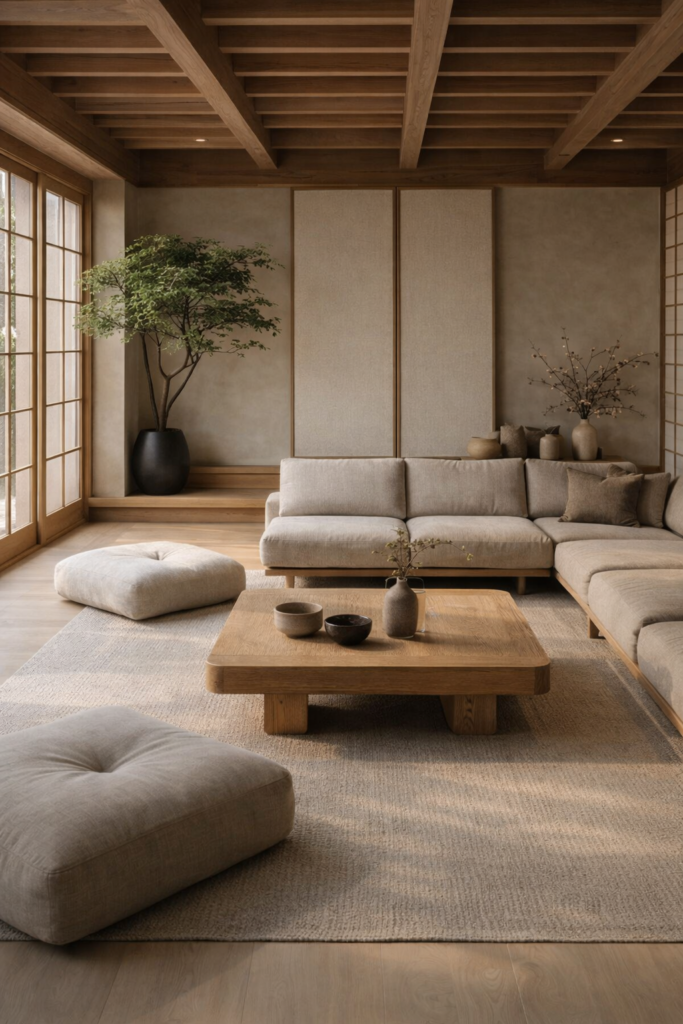
Japandi Living Spaces That Invite Slowness
Japandi living rooms and communal spaces have a unique pull—they make you want to sit down, take a breath, and slow your pace.
Low seating anchored by warm wood tones, a few carefully chosen ceramic pieces, a linen sofa, a simple branch in a vase—nothing shouts for attention, yet everything feels intentional. These rooms encourage quiet conversation, soft mornings, and slower evenings.
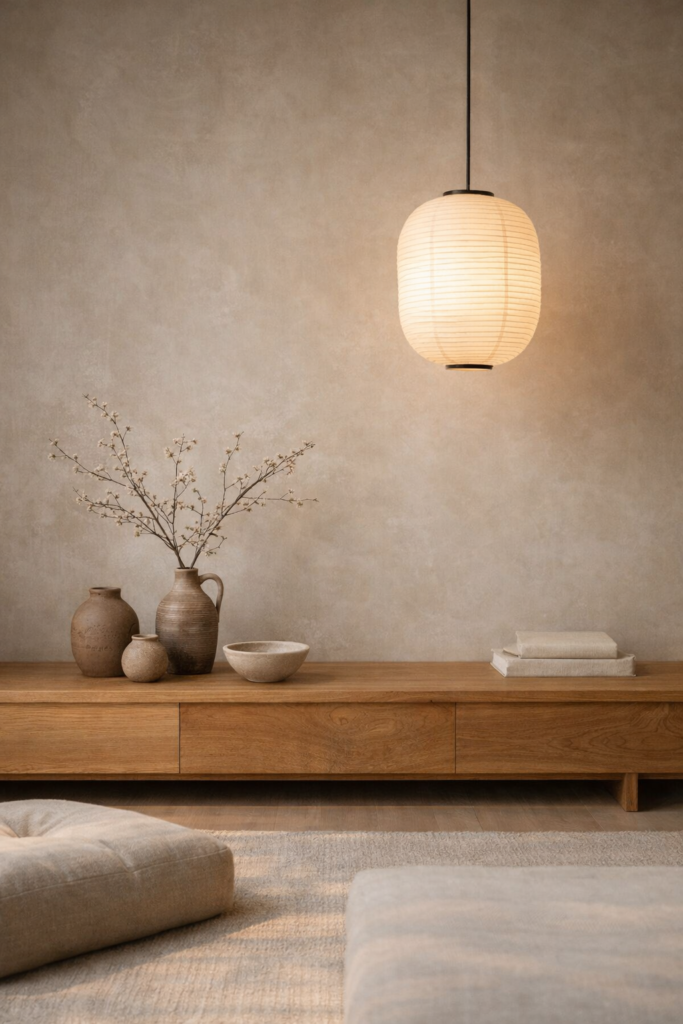
Bedrooms Built for Rest and Mindfulness
A Japandi bedroom should feel like an exhale. Understated bedding in natural fibers, hidden storage that reduces visual noise, a simple wooden bench, and warm, balanced lighting form the foundation.
Instead of décor, the room relies on proportion, texture, and stillness. The goal is not to decorate a bedroom, but to create a resting place for both the mind and the senses.
Japandi isn’t about perfection—it’s about clarity, warmth, and presence. Whether you’re drawn to its natural materials, its calming palette, or the way it creates space for quiet moments, the style offers a path toward a home that feels grounded, beautiful, and deeply intentional.