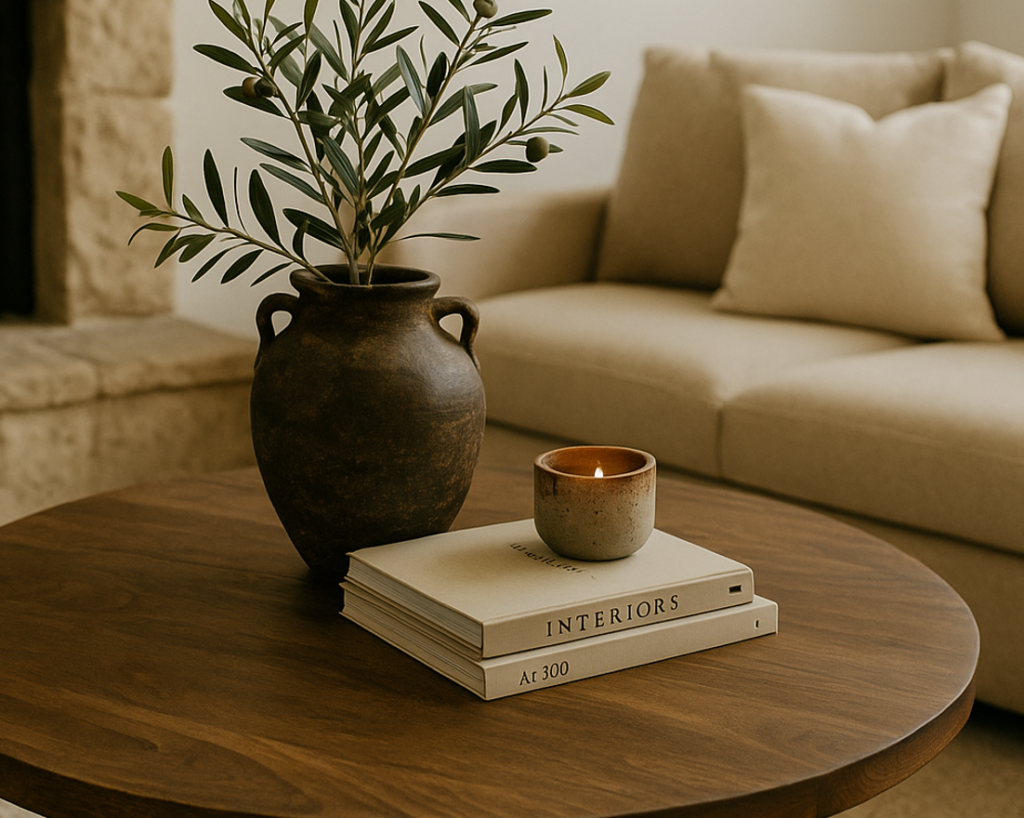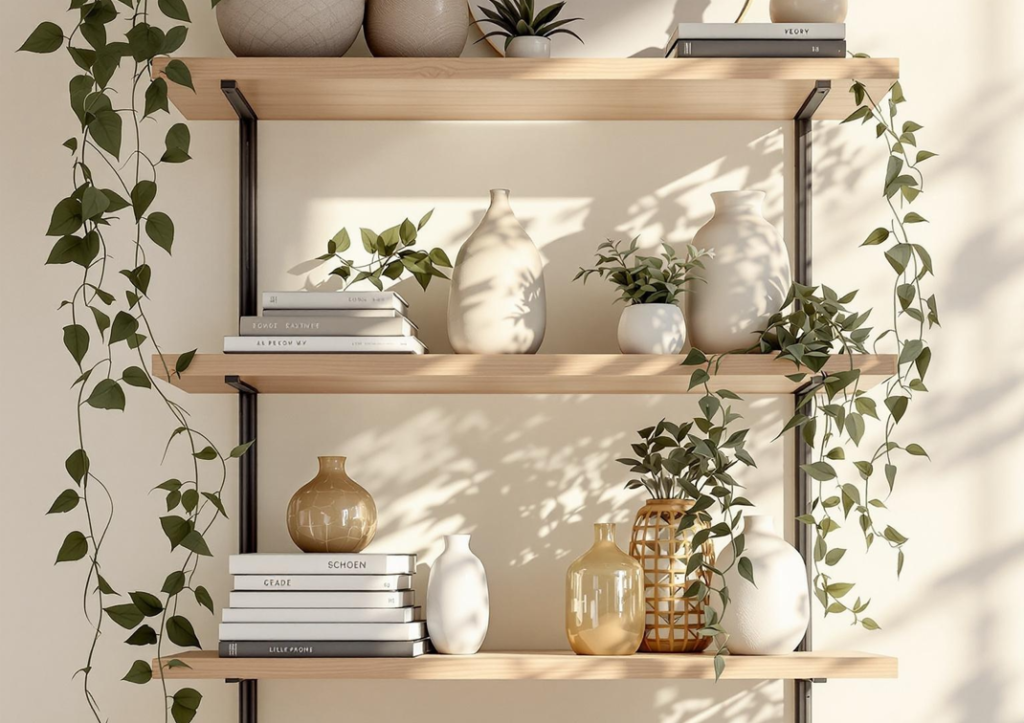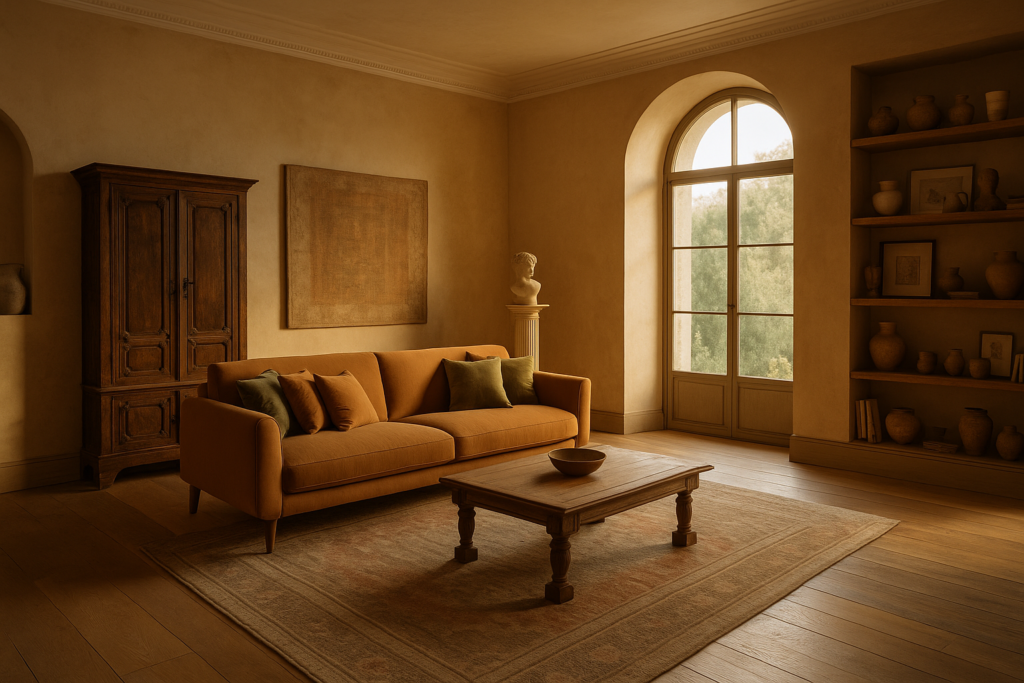
There’s a certain kind of room you never forget—one that feels quietly storied, effortlessly atmospheric, and instantly comforting. These spaces often share a common thread: a hint of the old world woven into a modern backdrop. Not in a theme-heavy or theatrical way, but through a deliberate layering of materials, shapes, and objects that evoke centuries of craftsmanship and lived experience.
Blending old-world charm with modern design isn’t about staging a museum or replicating a specific era. It’s about creating a living room that feels anchored, soulful, and beautifully layered—where contemporary comfort and historical character coexist. Below are five deeply considered ways to bring that feeling into your home.
Anchor the Room With a Timeworn Statement Piece
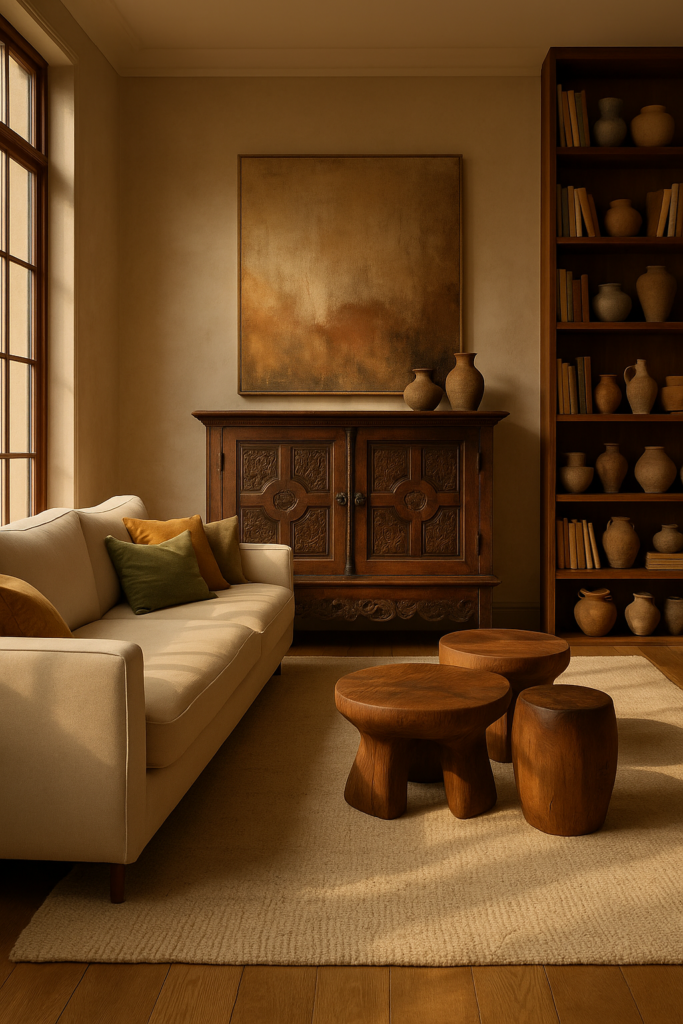
Every old-world-inspired living room benefits from one defining piece—an item with enough age and presence to set the tone without overwhelming the space. It might be a carved wooden cabinet with softened edges from years of use, an antique trunk with hand-forged hardware, or a marble-topped table that’s quietly survived several lifetimes.
The key is to let the piece breathe. Pair it with modern textiles, clean-lined seating, or contemporary art to prevent it from feeling heavy. When old and new are placed side by side, both become more interesting; the contrast highlights details you might overlook if everything belonged to the same era. One well-chosen heirloom can carry an entire room.
Bring Back Old-World Materials: Plaster, Stone, and Aged Wood
If furniture tells the story, materials set the scene. Old-world charm reveals itself through tactile, natural surfaces that patinate gracefully over time.
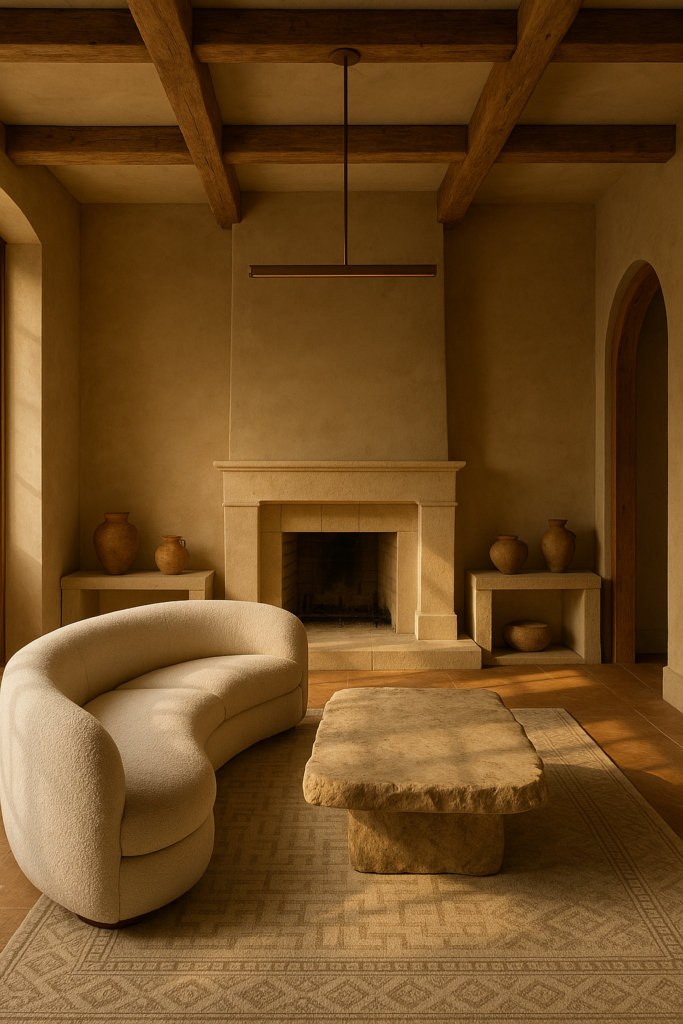
Matte plaster walls immediately soften a room and give it depth. Honed limestone or travertine on a coffee table introduces quiet texture without shouting for attention. Aged oak, walnut, or reclaimed beams warm up contemporary architecture and make a room feel grounded.
The modern home tends to lean too smooth, too polished. Integrating raw, imperfect, or naturally matte finishes reintroduces the sense of human touch—the feeling that real hands shaped the environment. That’s where the magic of old-world design lies.
Layer Textiles With History and Weight
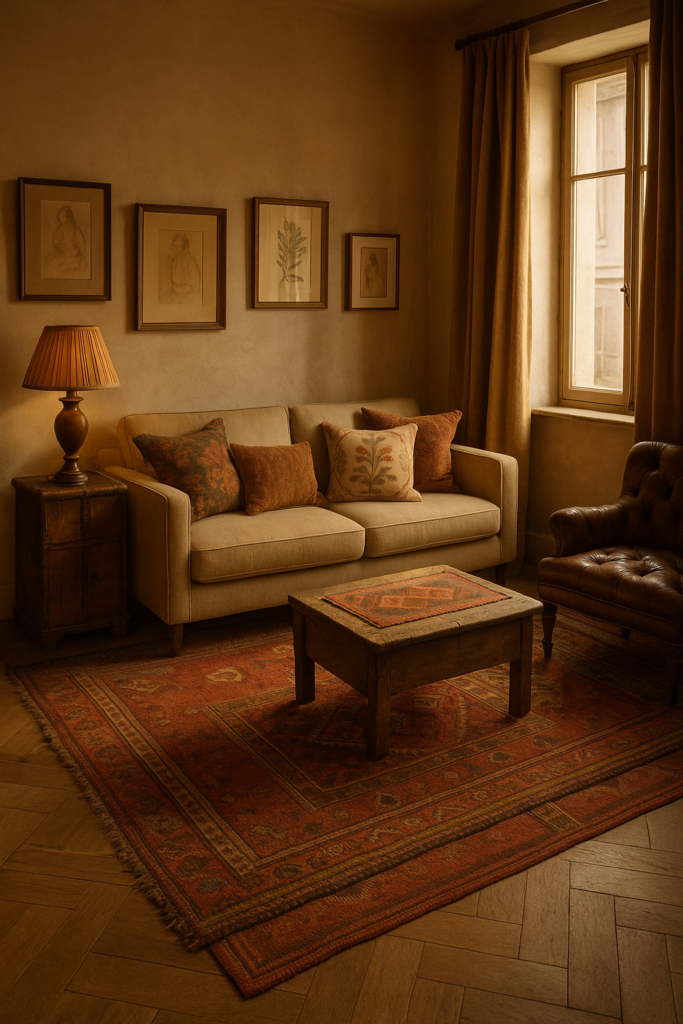
Old-world living rooms rarely feel flat. They’re filled with textiles that tell their own story: a handwoven rug whose colors have gently faded over time, thick drapery in warm ochre or olive, or embroidered pillows with subtle patterning.
In a modern context, these pieces do more than add charm—
they break up hard lines, soften acoustics, and introduce warmth without clutter.
Think of your textiles as the connective tissue between eras. A contemporary sofa becomes far more compelling with a vintage kilim draped across the back. A clean-lined armchair gains personality with a tapestry-inspired cushion. Textiles let you play with color, contrast, and softness without committing to major architectural changes.
Use Art and Objects to Build a Collected, Lived-In Look
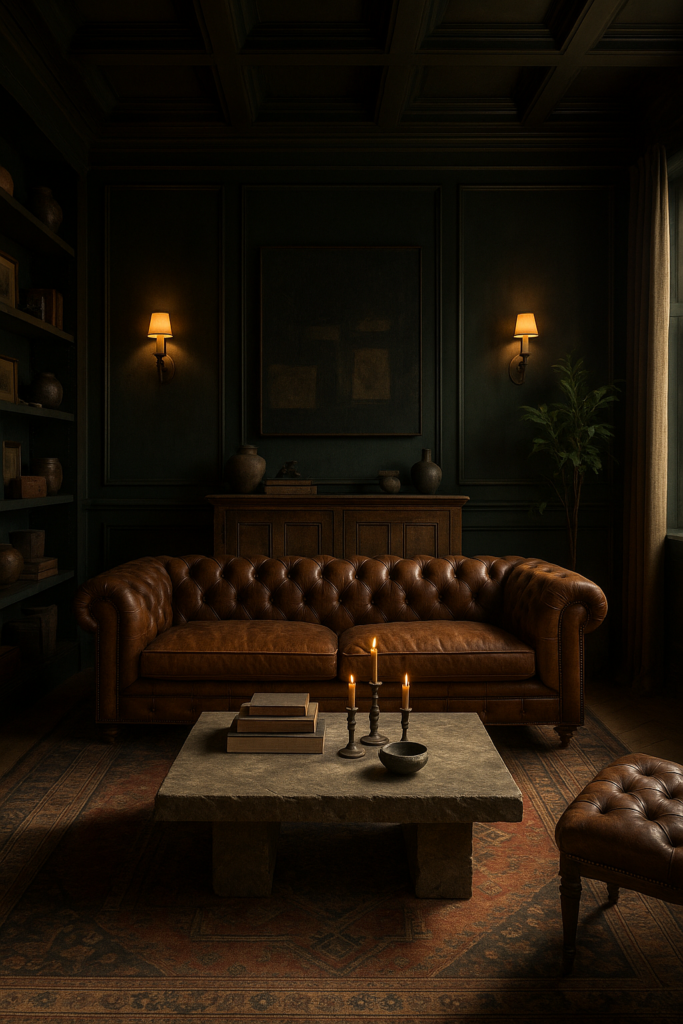
Old-world charm doesn’t come from perfection; it comes from collection. Instead of filling a room with mass-produced décor, look for pieces with craftsmanship—hand-thrown pottery, carved wood objects, framed sketches, aged brass candleholders, stone bowls, or sculptural ceramics.
Mixing art from different periods is particularly effective. A contemporary abstract above a centuries-old chest creates a conversation between eras. A modern black frame around a vintage landscape painting brings instant sophistication. It’s the interplay that matters.
When you curate thoughtfully, the room feels less like it was decorated all at once and more like it grew over time—arguably the most authentic old-world quality of all.
Warm the Room With Classic Color Palettes
Modern living rooms often sacrifice warmth for airiness, but old-world charm thrives in color that feels rich, natural, and softly muted by age.
Consider palettes that nod to European heritage homes:
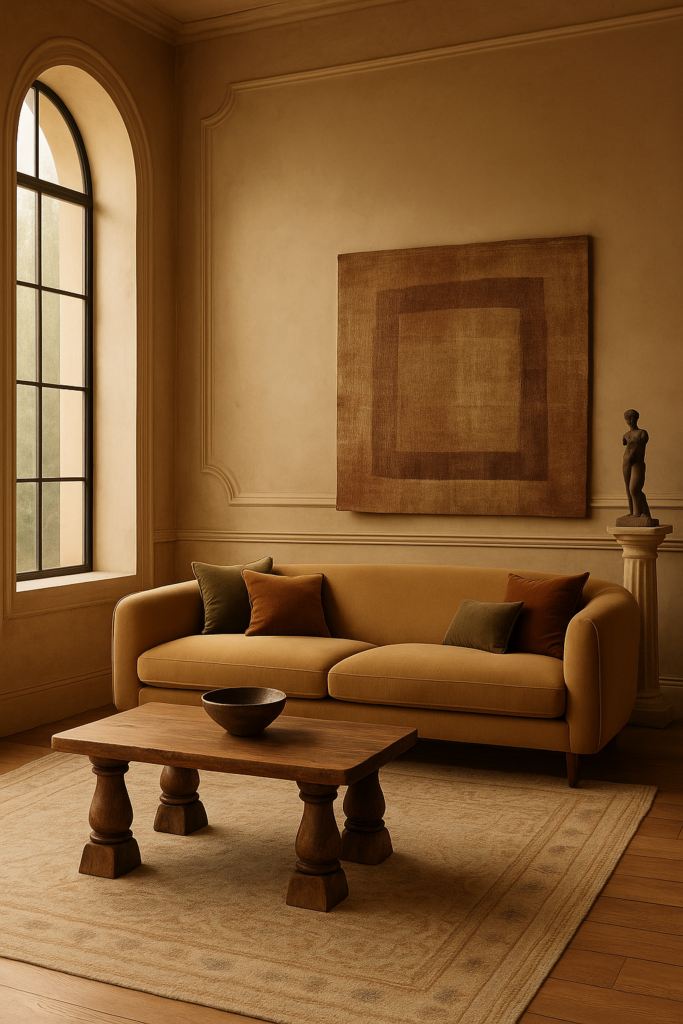
Warm ochre, olive green, deep rust, soft plaster pinks, walnut brown, charcoal, tobacco, and gold-leaning neutrals.
These tones pair beautifully with modern silhouettes, making even the simplest furniture feel intentional. You don’t need to repaint everything—introducing the right hues through pillows, drapery, art, and natural materials can shift the entire mood.
Color in old-world design isn’t loud—it’s enveloping. It makes the room feel lived in and loved.
Summary
Bringing old-world charm into a modern living room isn’t about nostalgia; it’s about depth. It’s the interplay between new architecture and timeworn details, between smooth surfaces and textured materials, between clean lines and handcrafted objects.
By weaving these elements together—anchoring the space with a meaningful antique, introducing tactile materials, layering storied textiles, curating collected objects, and choosing warm palettes—you create a living room that feels timeless, soulful, and unmistakably personal.
Old-world charm doesn’t age. It evolves with you.
Also read: 11 Earth-Inspired Living Room Concepts